01Is it worth reupholstering?
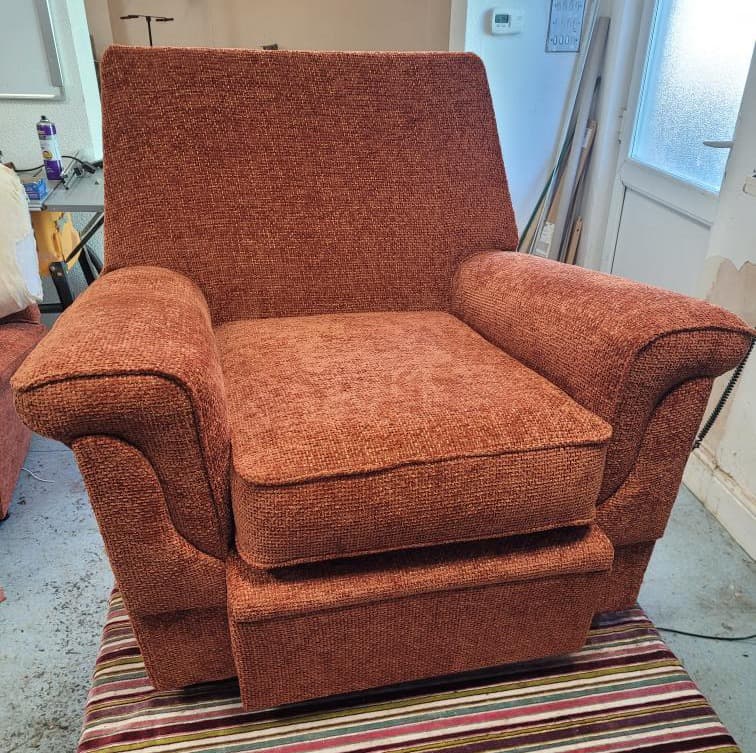
Usually, when the frame is good. Older sofas and chairs were often built on solid hardwood frames with proper joints and sprung seats, which is better than a lot of furniture sold new today. If the frame is sound, everything that has worn out on top of it can be replaced.
It is also the only way to keep a piece that means something to you, or one that fits a room perfectly, while changing how it looks.
02Signs a piece is worth saving
- It feels heavy and solid when you lift one end
- The arms and back do not wobble when pushed
- It has springs under the seat rather than just foam on a board
- It still fits your room and the way you use it
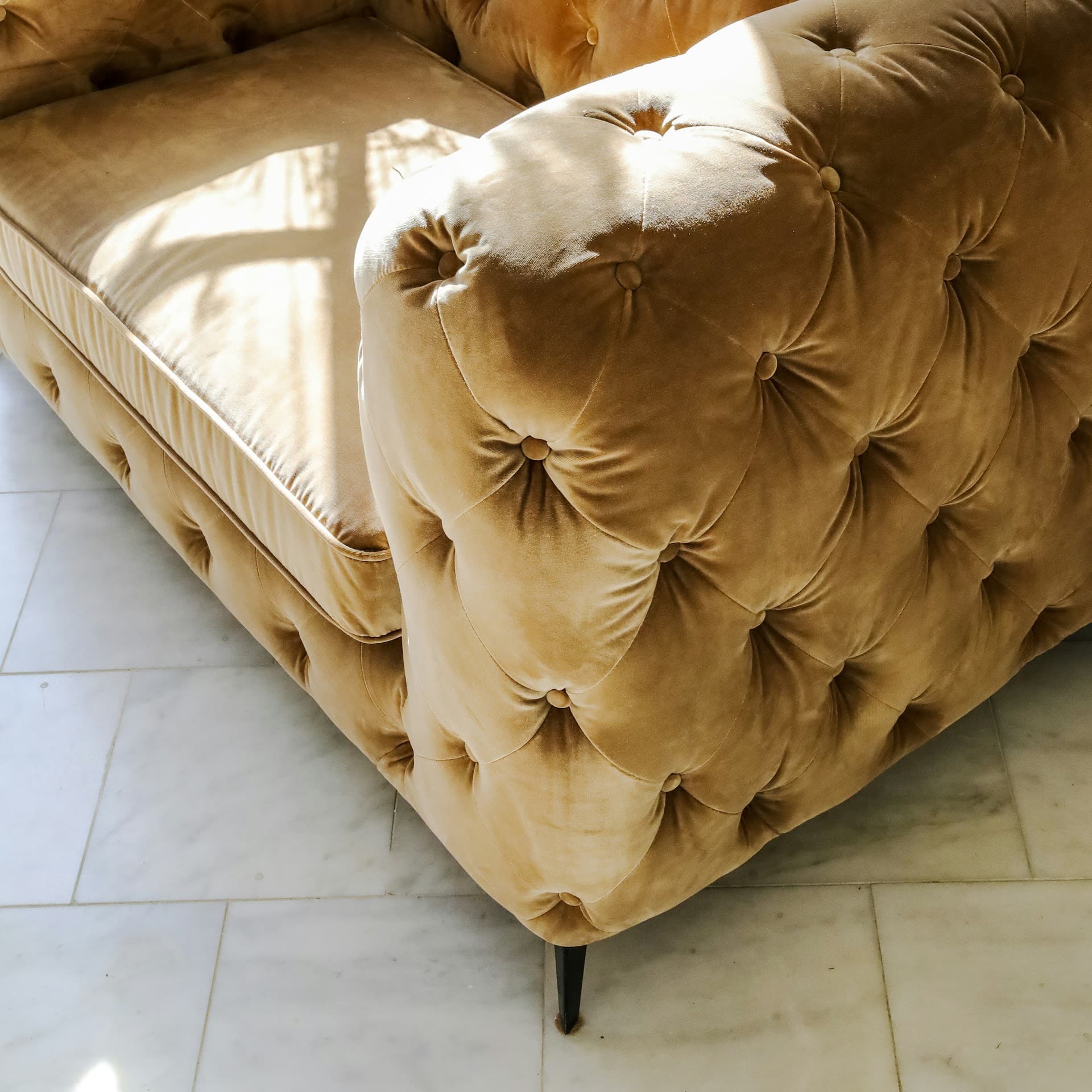
- It is a style you cannot easily buy new, such as a chesterfield or a show wood chair
03Choosing a fabric
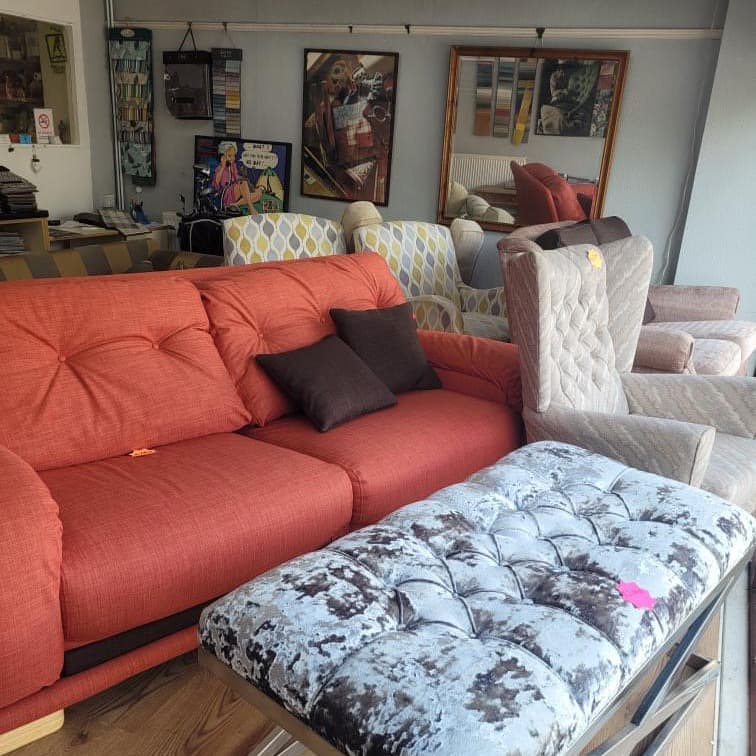
Upholstery fabrics are rated for wear with a rub count, known as the Martindale test. As a rough guide, around 15,000 rubs suits general use in a home, 25,000 or more suits a sofa that gets heavy daily use, and seating for bars and restaurants is usually specified higher still.
Pets, children and sunny windows all change the right choice. Tightly woven fabrics, performance velvets and leather tend to cope best with family life; loose weaves look soft but snag more easily.
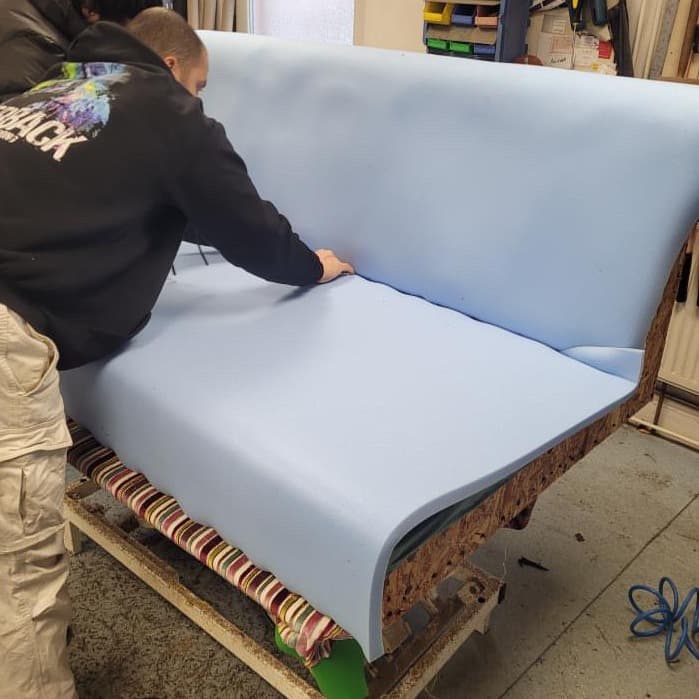
04Fillings: foam, fibre and feather
| Filling | What it is like |
|---|
| Foam | Firm and holds its shape. Good for seat cushions that get daily use. |
|---|
| Fibre wrap | Foam wrapped in fibre for a softer, rounder edge and feel. |
|---|
| Feather and fibre | The softest, most relaxed seat. Needs plumping to keep its shape. |
|---|
05What affects the price
- The size of the piece and how much fabric it takes
- The condition of the frame, joints and springs underneath
- Details such as buttoning, pleating, piping and studwork
- Whether the fabric has a pattern that needs matching
- New cushion interiors, or reusing the ones you have